
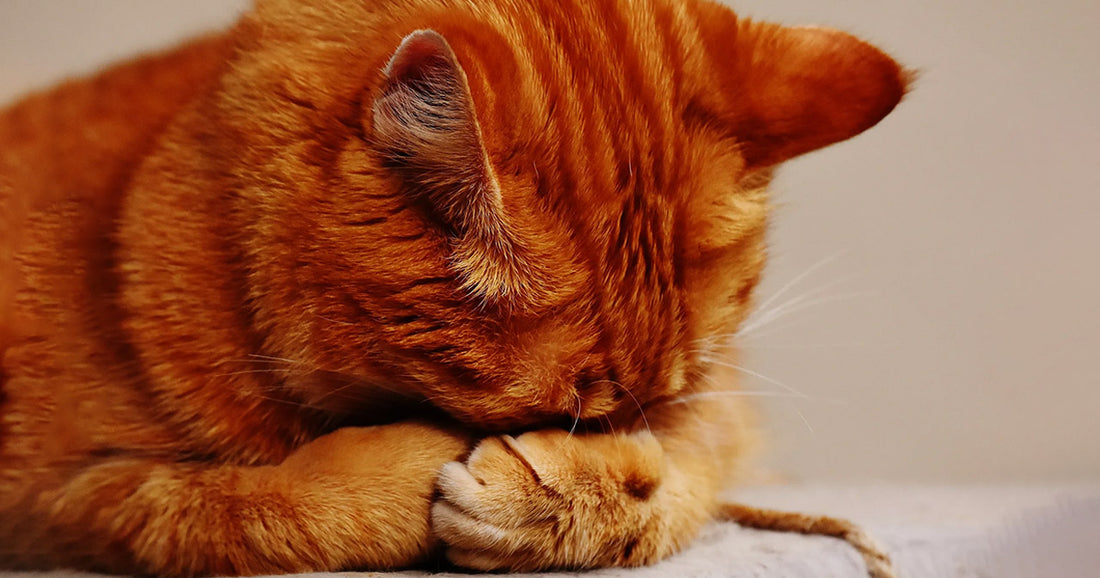
Cats, like humans, can experience stress and anxiety that can significantly impact their well-being. It is important for pet owners to recognize the signs of a stressed cat and take appropriate measures to alleviate their anxiety. In this comprehensive guide, we will explore the various causes of cat anxiety, discuss the common signs to look out for, and provide practical tips on how to help your stressed cat find relief. Additionally, we will introduce the concept of using a pet carrier backpack as a comfortable and secure means of transporting your cat, which can contribute to their overall stress reduction.

Understanding Cat Anxiety
Cat anxiety can arise from various factors, including environmental changes, traumatic experiences, genetic predispositions, and even underlying medical conditions. Just like humans, cats can perceive certain situations or stimuli as potential threats, triggering anxiety and fear responses. It is essential to recognize the signs of cat anxiety to provide timely support and improve their overall well-being.
Common Causes of Cat Anxiety
-
Environmental Changes: Cats are creatures of habit, and disruptions to their familiar surroundings can cause anxiety. Moving to a new home, rearranging furniture, or introducing new pets or family members can all contribute to a cat's stress levels.
-
Traumatic Experiences: Cats that have experienced abuse, neglect, or abandonment in the past may develop anxiety as a result of these traumatic events.
-
Lack of Socialization: Proper socialization during a cat's early stages of development is crucial. Cats that have not been exposed to different people, animals, and environments may be more prone to anxiety.
-
Underlying Medical Conditions: Physical pain, discomfort, or illnesses can manifest as anxiety in cats. It is important to rule out any medical issues before addressing behavioral anxiety.
Signs of Cat Anxiety
Recognizing the signs of anxiety in cats is vital for early intervention. While each cat may exhibit unique symptoms, some common signs of cat anxiety include:
-
Changes in Behavior: Increased aggression, excessive vocalization, withdrawal, or clinging behavior.
-
Litter Box Issues: Going outside the litter box, frequent accidents, or sudden aversion to the litter box.
-
Excessive Grooming: Over-grooming to the point of creating bald spots or skin sores.
-
Appetite and Weight Changes: Loss of appetite, weight gain, or weight loss.
-
Hiding or Avoidance: Spending excessive time hiding, avoiding certain areas, or seeking isolation.
-
Destructive Behaviors: Scratching furniture, chewing on objects, or engaging in excessive scratching.
-
Restlessness: Pacing, excessive meowing, or inability to settle down.
-
Digestive Problems: Diarrhea, vomiting, or other digestive issues.
It is important to note that these signs can also indicate other underlying medical conditions. Therefore, consulting with a veterinarian is crucial to ensure an accurate diagnosis.
Strategies to Help Your Stressed Cat
When it comes to helping your stressed cat, a multifaceted approach is often necessary. By addressing the root causes of anxiety and implementing stress-reducing techniques, you can provide your cat with the support they need to feel safe and secure. Here are some effective strategies to consider:
1. Creating a Calm Environment
A calm and predictable environment can significantly reduce cat anxiety. Consider the following:
-
Provide Safe Spaces: Create cozy hiding spots or designated areas where your cat can retreat when they feel overwhelmed.
-
Maintain a Consistent Routine: Stick to a regular feeding schedule, playtime, and daily interactions to establish a sense of stability.
-
Minimize Loud Noises: Reduce exposure to sudden loud noises, such as fireworks or vacuum cleaners, which can trigger anxiety.
2. Enrichment and Mental Stimulation
Engaging your cat in mentally stimulating activities can help alleviate anxiety and boredom. Consider the following:
-
Playtime: Regular interactive play sessions with toys and laser pointers can help your cat release pent-up energy and reduce anxiety.
-
Puzzle Feeders: Use puzzle feeders or interactive toys to provide mental stimulation during mealtime, keeping your cat engaged and focused.
-
Vertical Space: Install cat trees or provide shelving to create vertical space for your cat to climb and explore, promoting physical and mental exercise.Positive Reinforcement and Behavior Modification
3. Positive Reinforcement and Behavior Modification
Using positive reinforcement techniques can help modify anxious behaviors and build trust. Consider the following:
-
Reward-Based Training: Use treats, praise, and affection to reward desired behaviors, reinforcing positive associations.
-
Counter-Conditioning: Gradually expose your cat to anxiety-inducing stimuli, such as car rides or unfamiliar sounds, while offering treats and reassurance to create positive associations.
-
Seek Professional Help: Consult with a certified animal behaviorist or veterinarian specializing in behavioral issues for personalized guidance and training techniques.
4. Consider Using a Pet Carrier Backpack
A pet carrier backpack can provide a safe and comfortable means of transporting your cat, reducing their stress during travel or outings. The large-capacity and breathable design of a pet carrier backpack allows your cat to stay secure while providing ample space for movement and ventilation. Introducing your cat to MayMaw® Foldable & 3 in 1 Pet Backpack Carrier - the perfect travel companion for your pet! This backpack is designed to make your pet's journey comfortable and stress-free. It folds flat to just 5cm wide for easy storage and can be taken anywhere. It's suitable for cabin air travel, car travel, or simply as a convenient pet carrier. The durable rip-stop mesh provides a safe space for your cat, and the semi-open window allows for easy feeding and pacifying. It is super breathable on three sides, ensuring ample airflow, and the clamshell panel offers shade, privacy, and protection. With a comfortable shoulder strap, you can have a hands-free experience while keeping your pet close. A comfortable pet carrier backpack can take the stress out of pet travel.

Conclusion
Understanding and addressing cat anxiety is crucial for the overall well-being of your furry companion. By identifying the causes of anxiety, recognizing the signs, and implementing effective strategies, you can help your stressed cat find relief and live a happier, more balanced life. Additionally, incorporating a pet carrier backpack into your cat's routine can provide a secure and stress-free means of transportation, further contributing to their overall well-being. Remember, each cat is unique, so patience, consistency, and professional guidance are key in helping your cat overcome anxiety and lead a fulfilling life.